On losing a spouse one needs inner
strength to transmute a traumatic experience
into a triumph of spirit
Dilber Bokdawala
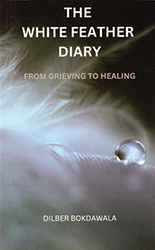
This extract from The White Feather Diary. From Grieving To Healing by Dilber Bokdawala has been reproduced here with permission from the first time author who is also the publisher (dnbokdawala215@gmail.com).
After losing my husband Nozer, I went through a gamut of emotions which I didn’t even know existed, which I hadn’t felt before. A kind of fear I never knew, a darkness that could have easily consumed all of my being, an anxiety so sharp that at times I felt I was losing my mind. But at the same time a strength emerged from the very core of my soul, a dignity to gracefully accept the situation and still function as a normal human being.
The gravity of my loss still hits me every single day; I still feel the utter hopelessness of the day I lost him. A chunk of my happiness did leave along with him. I cannot be truly and completely happy and content, ever. My contentment was with him, and I have lost it forever. The sadness of his loss will always be in my core, which will underline my every happiness. My joys will always be laced with unshed tears.
I have often felt like a silent warrior. People who have experienced depression, anxiety or are trauma victims like me, are almost always in a mode… survival mode, defensive mode, flight or fight mode… We can never relax. There’s always a feeling of being attacked from all sides and a permanent need to guard our hearts from further damage. Our old carefree, fearless, joyful self no longer exists. The present self is one that is seasoned and has gained maturity the hard way. Things look great on the surface, but underneath there’s turmoil that can bubble up at any trigger.
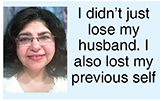
I didn’t just lose my husband. I also lost my previous self. The peppier, happier, carefree, go-with-the-flow, easygoing version of myself is gone forever. It is difficult to even feel that way. My present version is more alert, more guarded, more protective, because it has emerged from a fear of losing. It has felt unbearable pain and irreparable loss unknown to the previous version. This is a different version, defined by a strength to navigate the dark alleys of life and transmute a traumatic experience into a triumph of spirit.
From l: Pearl, Dilber, Jehan and Nozer Bokdawala
Prioritize rest
Grief is mentally draining. We experience a tumultuous upheaval of emotions, most of which are demotivating and depressing. It takes a lot of effort to bounce back to normalcy. So, we feel fatigued most of the time. There are times when it’s really difficult to get out of bed and get on with our daily routines. It’s taxing and we don’t know why we feel so exhausted.
When we move towards healing, we feel motivated and want to make positive changes in our lives. But here’s the hitch; we feel more exhausted than ever. This confuses us. If we are out of our depressing phase and feeling more like ourselves, then why is our body not supporting us? We eat better, we exercise, we are motivated. But the exhaustion stays. This is because in our grieving phase our body was in a defensive mode, working hard to survive the intense mental turbulence.
When we transition to healing, we finally feel safe. In the defensive, protective state, our body had used up tremendous energy as it had to prioritize survival above all else. Now, in the healing state, it can finally relax. It experiences safety after the trauma and moves towards recovery. It feels the need to rest and rejuvenate.
This is the time to listen to your body. Give it the rest it needs. Slow down if it tells you to. Incorporate relaxation techniques and soul-soothing activities. Treat yourself with as much care as you treat your loved ones. Healing is mentally exhausting. Your mind, heart and soul are working hard. You feel tired even if you are not doing any physically tiring work. It takes a while to feel your energetic self. Till then honor your body; it has served you well.
Letting people in
Most of us prefer to grieve alone. The inner work for healing is also best done in isolation. But never underestimate the power of human connections. As much as you want to be left alone, always keep your heart open for those who care.
When I lost my husband, I grieved as his widow. I knew my loss was immense. But, at the same time, I was well aware that his mother Vira had also lost her son, my children, daughter Pearl and son Jehan, had also lost their father. His brother Ariz, cousins, family, friends, even his colleagues, everyone was grieving. They all loved him and were mourning his loss as keenly as I was. His noble soul had touched the lives of many. In the initial days, it was difficult for me to step out or go to anyone’s home for any kind of celebration. But I made the effort of being there for those who were there for me, however hard it was. I let them into my heart and now they are my pillars. The right people with best intentions are your treasure. Cherish their love for you, honor their sentiments.
When I look back, I thank my past self for allowing people in. I treat them as blessings in my life. My compassion stems from the compassionate people around me. They are the reason I now feel the need to reach out to people going through trauma. I experience a kind of empathy that only a broken soul can understand. Their genuine love soothes my aching heart. Those are the ones I want to stay close to. I let them in, and they will stay forever in my heart.
We all need human connections. The right ones can save us. Even small, simple, thoughtful gestures of our true well-wishers can have a great impact. Some of them don’t even know how immensely they have contributed to my healing.
Yes, the trauma isolates you; it brings forth a feeling of keeping oneself away from the world. But always have a core group of people whom you trust. Never isolate them. They are the ones who check up on you, who understand and support whatever decisions you take, who cry when you cry, laugh when you laugh, they are ok if you are ok. They have your back, they lift you up and they celebrate your every little milestone with you.
What I lost can never be replaced; the void can never be filled. But I gained an immense amount of love and support for which I will forever feel blessed.