News reports of vultures being reintroduced at Doongerwadi are premature. A study is still underway to gauge the risks that "the use of vulture-toxic, non-steroidal anti-inflammatory drugs (NSAIDs) in human bodies will pose to the birds, when the bodies are
brought to Doongerwadi,” says Dr Kazveen Umrigar, conservation breeding specialist with The Bombay Natural History Society (BNHS) at a meeting on April 17, 2024. "The idea is to release captive bred vultures at Doongerwadi premises, in case it is deemed to be a safe environment for the birds.”
Elucidating on the matter, she added, "The threat is that painkillers like diclofenac and other vulture-toxic drugs are not banned for humans… BNHS in collaboration with the Bombay Parsi Punchayet (BPP) is working on the feasibility” of the project.
She was responding to Parsiana’s queries regarding a news item on the subject in the Hindustan Times of January 24 (see "Vulture project revival?” Events and Personalities, Parsiana, March 7-20, 2024). The idea for undertaking this project reportedly came from BNHS president Praveen Pardeshi.
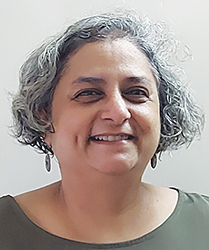
Top: Dr Kazveen Umrigar; above: dakhma in Bombay, 1973;
inset White-rumped vulture (Gyps bengalensis)
Photo: Shantanu Kuveskar, Wikipedia
Stating that BNHS officials had met the BPP trustees twice to discuss the proposal, Umrigar mentioned that the BNHS is examining the kinds of painkillers that are advised by medical doctors in the treatment of different inflammatory diseases in humans and will look at how they are metabolized and excreted by the body. "We will check them for residues and according to the levels found, deem them to be vulture safe… All the research that has been done so far has been on cattle and none on humans…That means we need to start our research from scratch to ensure that the funeral tradition of dakhmenashini does not cause the further decline of this species.” She stated that they are looking at a six-month period to establish the feasibility of the project. "We will be looking at all possible challenges we would possibly face to ensure that the birds are only exposed to vulture-safe food.” On enquiry with BPP chairman Viraf Mehta on April 12, he stated that "we are awaiting information from BNHS.”
Previous attempts to set up a vulture aviary in the early 2010s under the Doongerwadi Vulture Recovery Project had come to naught over dissensions among the priests and for other reasons. "This project is different from the earlier project where it was envisioned to cover one dakhma with netting and keep birds in captivity in that aviary….Our current project is to construct a pre-release aviary where the birds can be kept for an initial acclimatization period after which they would be released and monitored,” stated Umrigar. The main factor that will ensure the success of the current project is the kind of painkillers that the Parsi populace will use — whether they will choose to use vulture safe NSAIDs over vulture toxic ones to manage their pain.” Currently aceclofenac, nimesulide, ketoprofen and flunixin are other NSAIDs that are deemed to be vulture toxic, the scientist stated.
Umrigar believes that dakhmenashini is "a very ecological way to dispose the dead and the vultures truly helped us make it into a very efficient disposal system… With them gone however, the method has become a slow process of decomposition and I wouldn’t like my body to remain there and act as a possible source of pollution… If there are no vultures, I would prefer that my body be cremated after I’m gone.”
With a master’s degree in wild animal health from the Royal Veterinary College, London, Umrigar has a postgraduate diploma in counseling skills from the Tata Institute of Social Sciences. She has been a visiting faculty member at Bharati Vidyapeeth and has tended to zoos in Singapore and Poona (see "Wildlife vet,” Parsiana, January 7, 2009).